
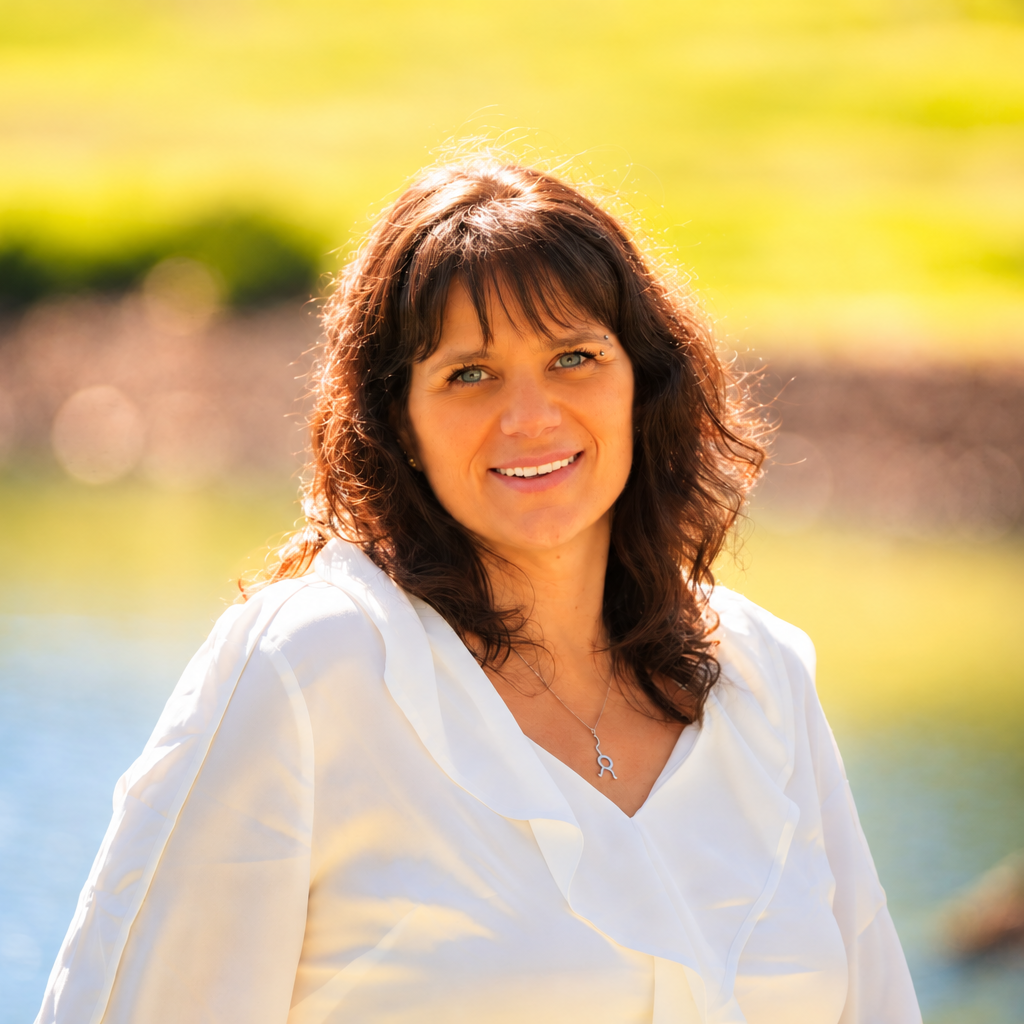
Meet Jennifer
I’m Jennifer Glunt, a Licensed Clinical Social Worker, but being a therapist is about much more to me than credentials or techniques. I’m naturally curious, and I genuinely want to understand how people became who they are. I tend to ask questions, notice patterns, and look beyond what is happening on the surface. I don’t assume that a behavior, reaction, or feeling tells me the whole story. I want to understand what makes sense about it from your point of view.
Working with me is collaborative and conversational. I listen carefully to what you say—and pay attention to what may be difficult to put into words. Sometimes we’ll explore the past; other times we’ll focus on what is happening right now and what could make life more manageable. I may offer another perspective, teach a skill, notice a pattern, ask a question you haven’t considered, or gently challenge an old belief. I value honesty, humor, curiosity, and practical strategies. Therapy doesn’t have to feel formal or clinical to be meaningful.
I’m especially drawn to working with people whose stories are more complicated than they first appear. Trauma, loss, attachment experiences, neurodivergence, identity, relationships, and emotional regulation can all influence how someone experiences the world. Behaviors that are quickly labeled as “defiant,” “unmotivated,” “too sensitive,” or “difficult” often make more sense when we understand what is happening underneath them. Rather than asking, “What is wrong with you?” I’m much more interested in asking, “What happened, what is happening now, and what do you need?”
I have been a Licensed Clinical Social Worker since 2009 and have spent my career working with children, adolescents, adults, and caregivers with a wide range of needs. My work has a particular focus on trauma, attachment, neurodivergence, autism, anxiety, and emotional and behavioral challenges. I am also trained in Eye Movement Desensitization and Reprocessing (EMDR). I don’t believe one therapy model works for everyone, so treatment is shaped around each person’s experiences, strengths, needs, goals, and readiness for change.
Outside of the therapy room, I’m still someone who likes to understand how things work. I can become deeply interested in a question, look at it from several angles, and keep digging until the pieces make sense. I value meaningful relationships, spontaneity, new experiences, and plenty of humor. I’m also a cat person. I know life can be complicated, messy, funny, painful, and meaningful—sometimes all at once.
You May Be A Good Fit With Me If...
Talking about difficult things does not come easily.
I work especially well with children, teens, and adults who are guarded, resistant to therapy, unsure what they are feeling, skeptical about the process, or simply do not want to talk about it. I don’t believe meaningful therapy requires someone to walk into my office ready to open up. Building trust is part of the therapy—it develops over time.
You—or your child—may have been described as stubborn, defiant, unmotivated, difficult, overly emotional, shut down, or unwilling to participate. Those descriptions tell me what other people are seeing. They don't necessarily tell me why it is happening. Resistance gives us information, and I don’t see forcing someone to talk, comply, or “buy into therapy” as the solution.
I also tend to connect well with people who think or experience the world a little differently—including those who are neurodivergent, highly intelligent, intensely independent, sensitive, skeptical, or strong-willed. You don’t have to communicate in a particular way for me to work with you. Sometimes we talk. Sometimes we problem-solve. Sometimes we use humor, activities, games, visuals, or interests to connect. And sometimes I simply give someone enough space to decide that I might actually be safe to talk to.
You may also be a good fit with me if you want to understand why something is happening, rather than only learning how to make it stop. My goal isn’t to make someone more convenient for the people around them. It is to help people understand themselves, communicate what they need, develop healthier ways of coping, and have more choice in how they respond.
Most importantly, you don't need to know what to say. You don't even have to be convinced that therapy will help.
Bring the uncertainty, the silence, the “I don’t know,” the frustration, or the skepticism.
We can start there.
Licenses and Degrees
Licensed Clinical Social Worker (LCSW) - Commonwealth of Pennsylvania, License #016408, effective September 2009
Licensed Independent Social Worker (LISW) - State of Ohio, License# I.2405947, effective October 2024
TLHT Licensed Clinical Social Worker - State of Florida, Registration #TPSW6662, effective April 2026 (telehealth ONLY)
Master of Social Work (MSW) - University of Pittsburgh, 2005
Bachelor's Degree (BS) - Psychology, University of Pittsburgh at Greensburg, 2002
Advanced Training
Eye Movement Desensitization and Reprocessing (EMDR) - EMDRIA approved therapist, June 2026
ADHD Certified Clinical Provider - Evergreen, July 2025
Basic Dialectial Beahavor Therapy - Cognitive Behavior Institute, November 2022
Trauma Focused-Cognitive Behavioral Therapy - Dr. Anthony Antimarino AHN, May 2016
Parent-Child Interaction Therapy - Dr. Cheryl McNeil, WVU January 2012
Dyadic Developmental Therapy - Dr. Daniel Hughes, September 2010
Professional Experience
I have been a Licensed Clinical Social Worker since 2009 and have experience working with children, adolescents, adults, caregivers, families, and professionals across a variety of settings.
View my verified professional profile on Psychology Today: Jennifer Glunt